How to Survive Death Penalty
Stage your match — hide early, negotiate mid-game, and fight smart when the roster is small.
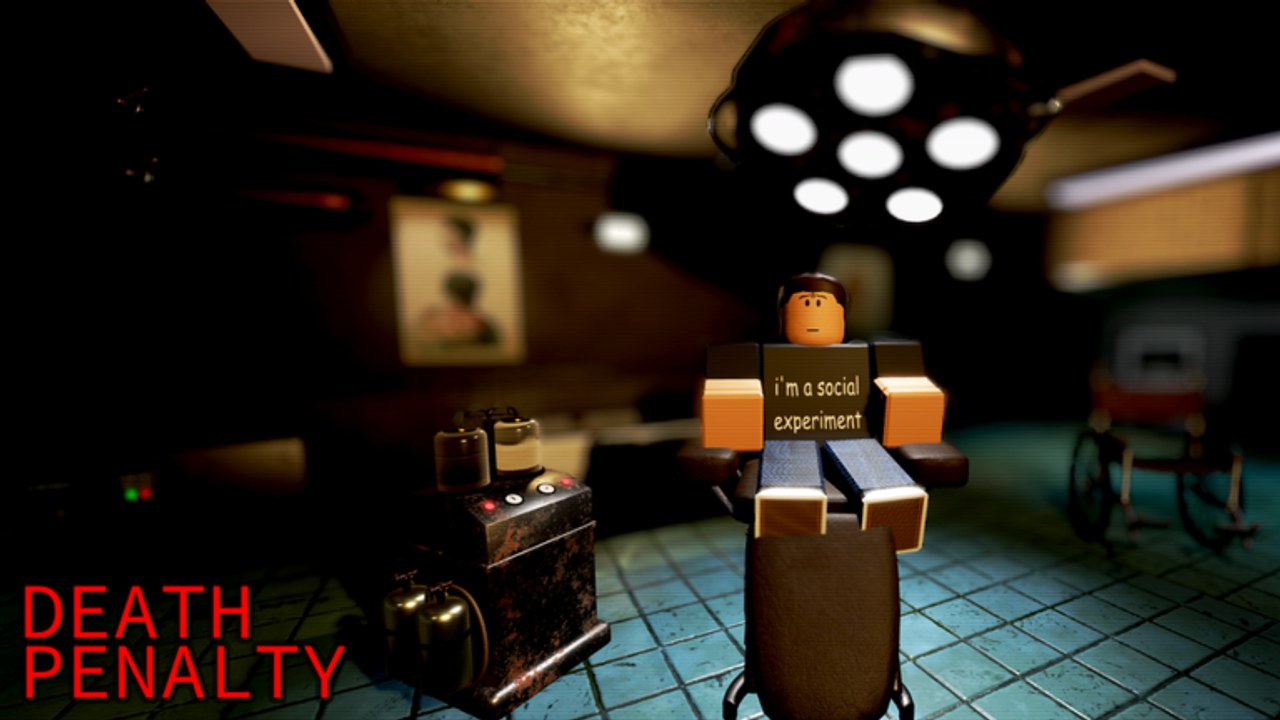
Surviving Death Penalty is less about a single perfect play and more about changing strategy as the player count drops. Early rounds punish people who stand in the open during hunts. Mid-game punishes players with no allies in Favorites or Split or Steal. Late game punishes hesitation in Duel, Showdown, and Chaos. This guide breaks the match into stages, explains Force Experiment timing, covers communication, and tells you when hiding stops working.
Pair this page with Getting Started if you are brand new. For locker and pipe routes, open Hiding Spots, and keep All Experiments open when an unfamiliar icon lands on the wheel.
Early game: disappear without looking suspicious
In a full or near-full lobby, pure hiding is strong. Climb near lockers, tuck into quieter rooms, and avoid being the first silhouette Murderer or Handout holders see. Sportskeeda-style advice is blunt for a reason: many rounds simply ask you to not be found while someone else dies to the wheel.
Early priorities:
- Learn one reliable locker-top or elevated route and reuse it.
- Do not emote-spam in the open right before a dark round.
- Keep headphones on so you hear host lines and footsteps.
- Survive Random Execution mentally — it is luck; tilting here ruins later votes.
Hiding is not cowardice in Death Penalty. It is resource management. Every player who dies to Murderer, Timebomb mishandling, or Dropper without involving you is progress toward the Survivor badge.
Still, do not become invisible forever. If Favorites starts nominating talkative players, having zero chat presence can make you an easy leftover when votes split. Balance quiet positioning with occasional helpful votes so people remember your name as cooperative rather than free kill fuel.
Mid-game: social experiments decide more than aim
Once the roster thins, experiments that involve voting, trust, and nomination dominate outcomes. Favorites asks the lobby to save someone; the least-supported nominee dies. Split or Steal is a prisoner dilemma: mutual Split lives, mixed Steal kills the splitter and arms the stealer, double Steal kills both. Last Pick and Dropper put lethal choice power in one player’s hands.
Mid-game survival tips:
- Vote consistently for people who voted for you.
- In Split or Steal, default to Split unless you have a read that the partner will Steal anyway — and accept that Steals create armed threats.
- If you become Dropper, do not freeze; failing to choose in time kills you instead.
- Track who received Handout guns. Those players reshape the next few minutes.
Communication matters here more than mechanical skill. Short, calm chat lines beat all-caps panic. Call out experiment rules for newer players if it builds goodwill. Ask for saves without begging every round. If voice is unavailable (Death Penalty often runs without voice chat support), text is your only diplomacy tool — use it.
Linked is a special mid-to-late complication: two players share a chain, cannot fully separate, and die together if one falls. The chain breaks around four survivors. Until then, treat your partner’s risk as your risk. Do not force fights that orphan both of you.
Late game: aggression becomes mandatory
When only a handful remain, pure locker camping loses value. Showdown is designed for the final two. Chaos can force a free-for-all with wheeled weapons. Duel can delete a rival if your green-light timing is sharper — study the dedicated Duel guide. Five Buttons and Challenge introduce lottery and parkour pressure that hiding cannot skip.
Late-game mindset shifts:
- Pre-aim mental checklists for green-light shooting and weapon spawn hunts (Finders Keepers).
- Use height and corners, but be ready to peek and commit.
- Force Experiments become sharper tools when you know you win a specific trial.
- Revive spends near the coffin are higher variance when few ghosts remain and rounds are short — see Volts and boosts and the dedicated Force Experiments cost guide.
If you reach Showdown with a leftover Handout or Challenge revolver, that inventory advantage can end the match. Headshots matter on firearms. Unlimited ammo in Showdown favors composure over spray panic.
Force Experiments: when to spend, when to wait
Force Experiments near the cell block let you push the wheel toward a known outcome for a Volts cost. Forcing Duel is commonly listed around 400 Volts. That is a strong play if you trust your reaction time and the opponent looks shaky. Forcing something you misunderstand is how you donate currency and still die.
Good Force timing examples:
- You are confident in Duel and need to delete a social threat before Favorites.
- The lobby is about to enter a soft experiment and you need a decisive cut.
- You are linked and need a controlled resolution before the chain ruins both lives — though Linked itself is awkward to “solve” with force alone.
Bad Force timing examples:
- Burning Volts in the first five minutes when Random Execution and Massacre can ignore your plan.
- Forcing Chaos when you are weak in free-for-alls.
- Spending so hard on forces that you cannot afford a ~500 Volt revive window later.
Force is a scalpel. Treat it like one.
Communication scripts that actually help
Useful short lines:
- “Split with me — mutual live.”
- “Saving [name], they saved me last Favorites.”
- “Green light only — don’t peek early.” for Duel spectators coaching friends.
- “Simon prefix only” when Simon Says begins.
Avoid accusing everyone of stacking. Accusations create revenge Dropper and Favorites targets. If someone steals on you, note it and adjust; public meltdowns paint a target on your collar.
When hiding fails
Hiding fails when:
- The experiment teleports you into a tank, duel booth, button row, or jump course.
- Handout or Finders Keepers puts a gun in a hunter’s inventory and they already know your spot.
- Favorites puts your name on the board regardless of position.
- Massacre or Random Execution simply selects you.
- Late Showdown / Chaos demands fights.
When hiding fails, switch to rule mastery. Crouch and jump on command for Simon Says. Wait for green in Duel. Pass Timebomb immediately. Step on Water Tank pads only if you intend to drown the trio — or stay off if you are protecting allies. Read All Experiments so failure modes feel familiar instead of shocking.
Also remember revive: after death, the coffin-adjacent spend can return you if timing is clean. Ambiguous timing is a known footgun. If you die with Volts banked, move to the revive interaction quickly rather than spectating AFK.
Practical survival checklist by player count
~30–50 alive: Hide, learn icons, conserve Volts, survive Random Execution tilt.
~15–30 alive: Mix hiding with Favorites diplomacy. Watch Handout holders. Practice Timebomb hot-potato habits.
~5–15 alive: Expect Linked, Dropper politics, and forced skill checks. Consider Force spends.
~2–4 alive: Chains may break near four. Prepare Showdown loadouts and Duel reflexes. Hiding is secondary.
Cross-links to keep open
- Getting Started — lobby and first-loop basics.
- All Experiments — full encyclopedia.
- Simon Says — trap commands and the “kill someone” ending.
- Duel guide — green light, early-shot delay, mutual no-shoot deaths.
- Volts and boosts — collars, forces, revive.
- Controls — crouch, reload, prevent/block.
Survival in Death Penalty is staged discipline. Early anonymity, mid-game alliances, late-game nerve. Master the stage you are in, spend Volts like a strategist, and treat every unfamiliar wheel icon as homework for the next match.
Frequently Asked Questions
Quick answers for Death Penalty survivors.
Where is the best hiding spot in Death Penalty?
Locker areas and elevated spots near them are the most cited early-game hides. Climb out of easy sightlines before Murderer-style darkness or hunting rounds begin.
When should I stop hiding?
Stop relying on pure hides when teleports, votes, Duels, Showdown, Chaos, or Challenge force interaction. Late game rewards aggression and rule mastery more than camping.
When do Linked chains break?
Linked pairs stay chained until the survivor count drops to around four. Until then, if one linked player dies, the partner dies too.
Are Force Experiments worth buying?
Yes when you understand the forced trial and the Volts cost fits your bank. Forcing Duel around 400 Volts is popular for confident aimers; random early forces are usually wasteful.
How important is chat for survival?
Very important in Favorites, Split or Steal, Dropper, and Last Pick. Calm deals and consistent save-for-save behavior outperform silent locker camping once the lobby shrinks.